+506 2216 0222
paesa@iica.int


DID YOU KNOW?
-
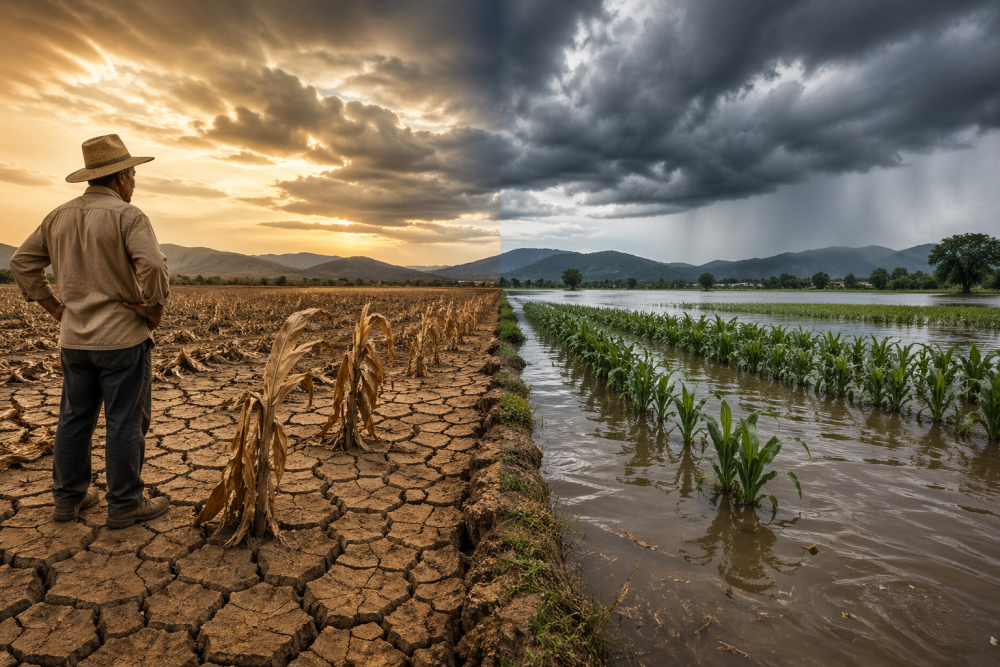
Community alert prevented deaths
19 people, mostly women farmers, operate the Community Hydroclimatic Monitoring Network in southern Ahuachapán, El Salvador; during Tropical Storm Julia, an alert issued after more than six hours of rain enabled vulnerable families to evacuate two h... -
Only 6% of budgets prevent future risks
83% of disasters in Latin America and the Caribbean are related to climate hazards, but only 6% of the regional risk-management budget is allocated to preventing future risks and 16% to reducing existing risks. -
1.7 million disaster displacements
1.7 million new internal displacements caused by disasters were recorded in 2024 in Brazil, Cuba, Colombia, Haiti and Ecuador alone, according to the 2025 Global Report on Internal Displacement cited by the source.
Expansion of the supply of agricultural credit
The expansion of the agricultural credit supply refers to the expansion or increase in the availability of financing and loans for the agricultural industry. This strategy aims to provide farmers, livestock producers, and other stakeholders in the agricultural sector with access to a greater amount of financial resources, with the goal of supporting and promoting the growth of their activities
Resources
(26 records
)

Evidences
(2554 records
)
Community alert prevented deaths
19 people, mostly women farmers, operate the Community Hydroclimatic Monitoring Network in southern Ahuachapán, El Salvador; during Tropical Storm Julia, an alert issued after more than six hours of rain enabled vulnerable families to evacuate two hours before the rivers overflowed, with no loss of life.
Only 6% of budgets prevent future risks
83% of disasters in Latin America and the Caribbean are related to climate hazards, but only 6% of the regional risk-management budget is allocated to preventing future risks and 16% to reducing existing risks.
1.7 million disaster displacements
1.7 million new internal displacements caused by disasters were recorded in 2024 in Brazil, Cuba, Colombia, Haiti and Ecuador alone, according to the 2025 Global Report on Internal Displacement cited by the source.
More recent in politics
Investments and Public Expenditure
(41 records
- USD 8,233,242,896.00
)
Bill No. 6789: Act to Promote Shrimp and Tilapia Production for Food and Nutrition Security in Guatemala.
Legislative initiative in Guatemala proposing a long-term national policy to promote the production, processing, marketing and export of shrimp and tilapia in order to strengthen food and nutrition security, generate employment and foster sustainable rural development. The proposal provides for five-year national plans, the creation of a National Aquaculture Council and a National Fund for the Promotion of Shrimp and Tilapia Production, with a proposed initial endowment of GTQ 800 million. It includes preferential financing, productive infrastructure, technical assistance, research, aquatic animal health and food safety, public procurement, school feeding, renewable energy, climate adaptation and aquaculture insurance. The bill was presented to the Plenary on 29 July 2026 and referred to the Agriculture, Livestock and Fisheries Committee for review and an opinion.
Rural Enterprise and Agricultural Development Project (READ)
Project implemented in six regions of Guyana to improve the social and economic conditions of poor rural households, especially small-scale producers and vulnerable groups. READ expanded access to financial services and strengthened enterprise and market development, technical assistance, extension and training. The target group comprised 5,200 rural households, equivalent to about 20,800 people, with particular attention to woman-headed households, youth, Amerindian communities, non-traditional crop farmers and operators of rural micro and small enterprises. The Ministry of Agriculture was the executing agency and IFAD provided both loan and grant financing.
UNI2: Expanding Credit Access for Farmers and Rural Populations in Colombia
The project aims to expand access to credit for rural and low-income populations in Colombia, including women micro-entrepreneurs, by providing direct financial support to UNI2, a rural finance institution. The operation is framed under the IDB's Social Entrepreneurship and Small Projects Program (SMP) and aims to improve the financial inclusion of Colombian agricultural producers.
Policy frameworks
(111 records
)
Action Plan for the 2026-2027 El Niño Phenomenon to Protect the Aquaculture Sector
Strategic plan launched by Peru's Ministry of Production through the General Directorate of Aquaculture to strengthen the short-term preparedness, prevention and response of aquaculture producers to the impacts of the 2026-2027 El Niño phenomenon. Its action lines include a monthly Aquaculture Vulnerability and Risk Matrix, preventive technical training, monitoring and early-warning channels, coordination with FONDEPES to design preventive and recovery credit and provide flexibility for payment obligations, and a health contingency plan implemented by SANIPES. The plan seeks to protect investments, reduce infrastructure and biomass losses and ensure continuity of aquaculture activities.
Supreme Decree No. 005-2026-MIDAGRI: Regulations for the Law Promoting the Industrialization of Potato Production
Supreme Decree No. 005-2026-MIDAGRI approves the Regulations of Law No. 31920, the Law Promoting the Industrialization of Potato Production. The Regulations establish actions to add value, promote competitiveness and sustainability throughout the potato value chain, increase producer profitability, improve the quality of processed potato products and strengthen industrial linkages. Its instruments include co-financing for machinery and technical training, extension and technical assistance services, promotion of certified seed, guarantee funds and credit lines, research and technology transfer, linkages with domestic and international markets, associative contracts, promotional campaigns and environmental sustainability measures. It also requires specific targets and indicators for potato industrialization to be incorporated into the National Agroindustrial Competitiveness Plan.
Brazil Family Farming Harvest Plan 2025-2026
Brazil's 2025-2026 Family Farming Harvest Plan allocates 89 billion Brazilian reais to rural credit, public procurement, agricultural insurance, technical assistance, and minimum price guarantees to strengthen family farming, food security, and local economies. Of the total amount announced, 78.2 billion reais are allocated through the National Program for Strengthening Family Farming, Pronaf. The Plan maintains preferential financing rates of 3 percent for the production of essential foods and 2 percent for organic or ecological production, while introducing credit lines for ecological agriculture, sustainable irrigation, and climate change adaptation. It also includes rural connectivity and accessibility measures and the National Program for the Reduction of Pesticides, focused on research, residue monitoring, technical assistance, and the expanded use of biological inputs.
Good practices
(6 records
)
Rural Enterprise and Agricultural Development Project (READ)
Project implemented in six regions of Guyana to improve the social and economic conditions of poor rural households, especially small-scale producers and vulnerable groups. READ expanded access to financial services and strengthened enterprise and market development, technical assistance, extension and training. The target group comprised 5,200 rural households, equivalent to about 20,800 people, with particular attention to woman-headed households, youth, Amerindian communities, non-traditional crop farmers and operators of rural micro and small enterprises. The Ministry of Agriculture was the executing agency and IFAD provided both loan and grant financing.
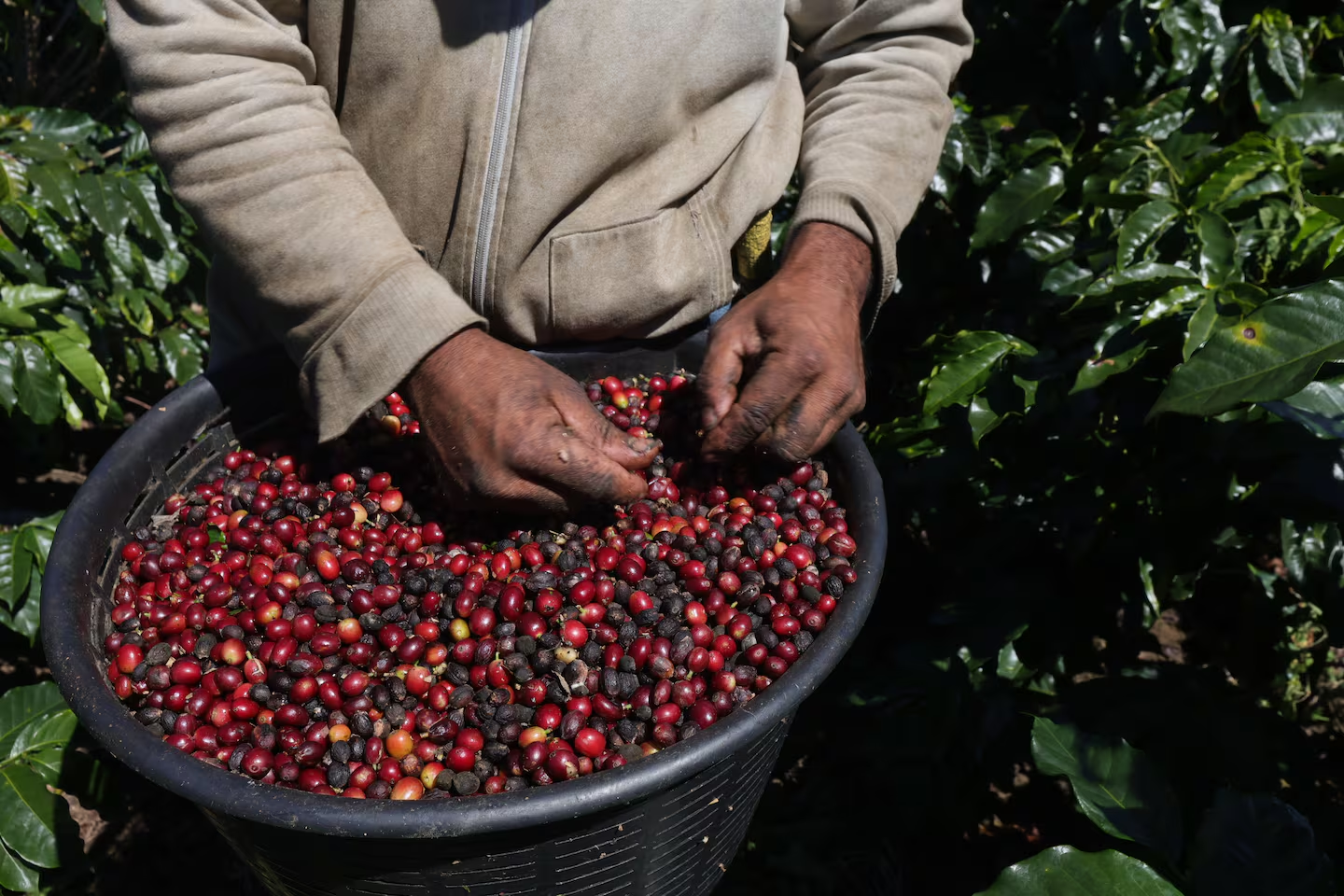
Implementation of sustainable agroforestry systems in coffee farms for agricultural frontier closure
This initiative seeks to strengthen sustainable agroforestry productive systems in coffee farms that contribute to the closure of the agricultural frontier for deforestation reduction and income generation for small rural producers. The project includes the establishment of approximately 2,000 hectares of agroforestry systems through planting 500,000 forest trees, strengthening 600 hectares of existing coffee plantations, and strengthening the productive process for environmental impact reduction. A gender-focused agroforestry extension program will be implemented including technical training, commercial plans and voluntary zero deforestation agreements. The initiative will benefit small coffee producers in the departments of Cesar, Magdalena, Santander and Norte de Santander, prioritizing vulnerable populations, indigenous, Afro-Colombian and peasant communities with a minimum of 25% women participation.
Solidarity Communities
Solidarity Communities is an intervention that seeks to provide comprehensive care to families and people facing higher levels of poverty and social exclusion in urban and rural areas of the country. It is a government program that seeks to materialize the effective exercise of population rights and is contained within the Universal Social Protection System. It comprises non-contributory interventions that allow expanding basic capacities and promoting equal opportunities for people, communities and households in conditions of extreme poverty and social exclusion. It is developed through four strategic axes: human capital, basic social infrastructure, income generation and territorial management.
PAESA in Focus
(3 records
)