+506 2216 0222
paesa@iica.int


DID YOU KNOW?
-
Community alert prevented deaths
19 people, mostly women farmers, operate the Community Hydroclimatic Monitoring Network in southern Ahuachapán, El Salvador; during Tropical Storm Julia, an alert issued after more than six hours of rain enabled vulnerable families to evacuate two h... -
Only 6% of budgets prevent future risks
83% of disasters in Latin America and the Caribbean are related to climate hazards, but only 6% of the regional risk-management budget is allocated to preventing future risks and 16% to reducing existing risks. -
1.7 million disaster displacements
1.7 million new internal displacements caused by disasters were recorded in 2024 in Brazil, Cuba, Colombia, Haiti and Ecuador alone, according to the 2025 Global Report on Internal Displacement cited by the source.
Family agriculture
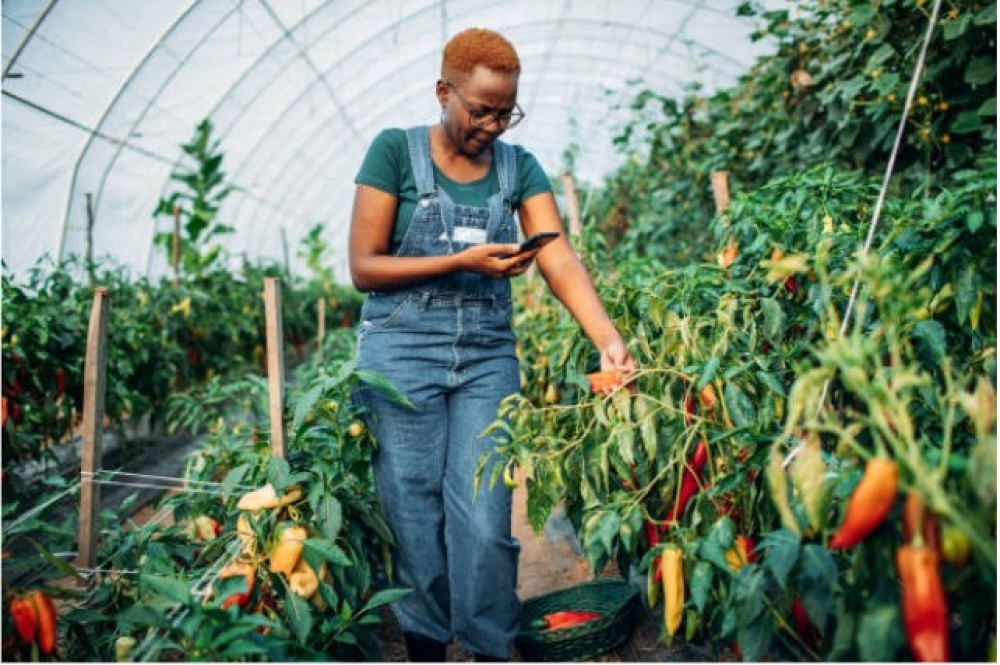
A beneficiary's view of the FAMILY FARMING policy by components, countries, funding sources, beneficiaries, instruments, economic sectors and good practices.
Resources
(321 records
)
Events
(75 records
)
Evidences
(2554 records
)
Community alert prevented deaths
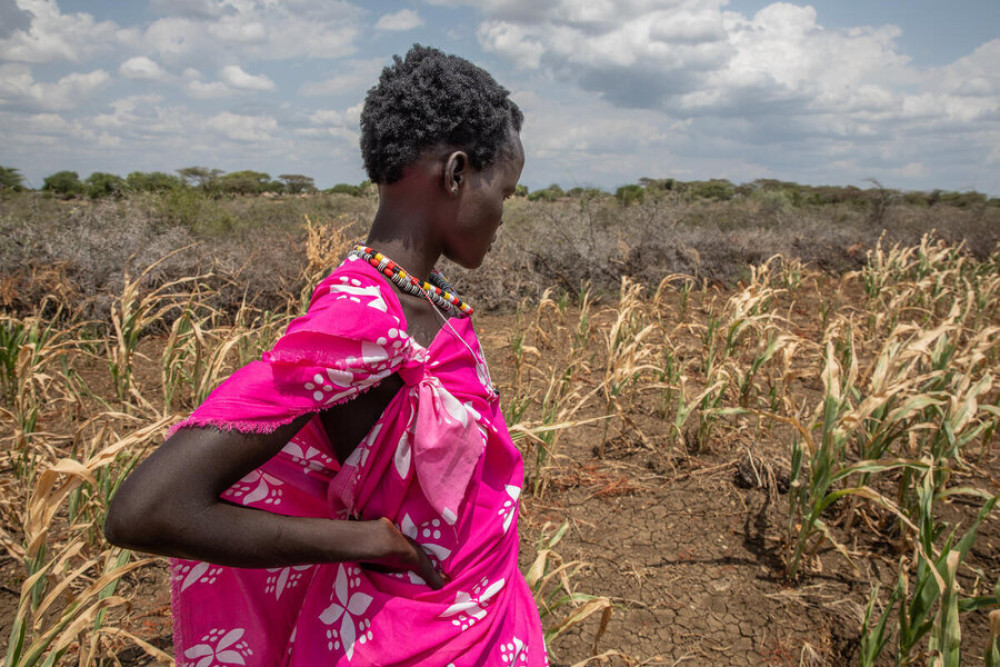
19 people, mostly women farmers, operate the Community Hydroclimatic Monitoring Network in southern Ahuachapán, El Salvador; during Tropical Storm Julia, an alert issued after more than six hours of rain enabled vulnerable families to evacuate two hours before the rivers overflowed, with no loss of life.
Only 6% of budgets prevent future risks
83% of disasters in Latin America and the Caribbean are related to climate hazards, but only 6% of the regional risk-management budget is allocated to preventing future risks and 16% to reducing existing risks.
1.7 million disaster displacements
1.7 million new internal displacements caused by disasters were recorded in 2024 in Brazil, Cuba, Colombia, Haiti and Ecuador alone, according to the 2025 Global Report on Internal Displacement cited by the source.
More recent in politics
Investments and Public Expenditure
(607 records
- USD 76,579,848,895.00
)
Emergency food production support for vulnerable families in Haiti
Emergency programme implemented by FAO in ten municipalities across the Haitian departments of Artibonite, Centre and Ouest to restore local food production and meet urgent needs. The first phase reaches 13,000 vulnerable households, representing approximately 65,000 people. With funding exceeding USD 16 million, the programme is expected to ultimately support 326,000 people by providing farming households with more than 205 tonnes of crop and vegetable seeds and over 160,000 small livestock. The second phase will distribute ducks, poultry, guinea fowls, rabbits and goats to more than 29,394 households to facilitate immediate access to food and protein, protect livelihoods and reduce reliance on recurring humanitarian assistance.
Repair of the Yorongos irrigation canal, Tonchima river water system, Nuevo Tabalosos locality, Yorongos district, Rioja province, San Martín department
The project repairs the Yorongos irrigation canal, fed by the Tonchima river, in the locality of Nuevo Tabalosos, The intervention, carried out by the Rural Agrarian Productive Development Program (AGRO RURAL) under the Regional Agriculture Directorate of the San Martín Regional Government, aims to reduce the share of irrigation systems operating under inadequate conditions in the area.
Climate-Smart Livestock in Ecuador: A Strategic Partnership between FAO and the Private Sector
Pilot project implemented in Cayambe, Pichincha Province, to strengthen the capacities of technicians and family livestock producers in Climate-Smart Livestock. The intervention adapted and validated participatory tools, identified good livestock practices, improved digital data collection and analysis, and estimated greenhouse gas emissions using tools such as ODK and GLEAM-R. It was developed by Ecuadorian public institutions, FAO, GEF, and the company El Ordeño.
Policy frameworks
(717 records
)
Peru: Emergency Decree No. 106-2021 authorizing financial subsidies for producers purchasing fertilizers
Emergency Decree No. 106-2021 authorizes Peru's Ministry of Agrarian Development and Irrigation to grant financial subsidies, channeled through the AGROPERÚ Fund, to producers who purchased fertilizers during the 2021-2022 agricultural season and operate agricultural units of between two and ten hectares. The decree authorized a PEN 250,947,734 public budget transfer to finance the subsidies, AGROPERÚ Fund financial expenses and MIDAGRI operating expenses, in support of agricultural production and food security.
Supreme Decree No. 011-2024-MIDAGRI approving the Regulations of Legislative Decree No. 1077, which created the Competitiveness Compensation Program
Approves and regulates the implementation of Legislative Decree No. 1077, which created the Competitiveness Compensation Program (AGROIDEAS), with nationwide scope. The regulation seeks to increase the competitiveness of organized small and medium agricultural producers and their associations through incentives for associativity, business management, agricultural technology adoption, organizational strengthening, and the implementation of bio-businesses and eco-businesses, under social, environmental, and economic sustainability criteria.
State Health Preparedness and Response Plan for the El Niño Phenomenon (Brazil)
Plan of the State of São Paulo that organizes health-system preparedness and response to the impacts of the El Niño phenomenon. It covers scalable mobilization, alert and emergency measures; meteorological and health monitoring; territorial risk identification; continuity of essential services and treatments; management of medicines and supplies; alternative care routes; coordination with municipalities and other agencies; and protection of vulnerable groups from extreme rainfall, floods, landslides, heat waves, fires and arboviruses.
Good practices
(50 records
)
Conservation and Sustainable Use of Agro-biodiversity to Improve Human Nutrition in Five Macro Eco-regions (Bolivia)
Project aimed at conserving agro-biodiversity in situ across five macro eco-regions and improving the livelihoods of local populations. It seeks to mainstream the valuation, conservation and sustainable use of agro-biodiversity into national policies, regulatory frameworks, and health, education, rural development and food security programmes. It includes the generation of market incentives and awareness-raising and training processes for the sustainable management of natural resources.
Public Services Improvement Project for Sustainable Territorial Development in the Apurímac, Ene and Mantaro Rivers Area of Influence
Project aimed at reducing rural poverty through the social and productive inclusion of families in the VRAEM area. It seeks to increase beneficiaries' human, social, natural, physical, and financial assets. It combines strengthening of territorial governance, development of local economic initiatives, and improved connectivity and community infrastructure.
Buen Vivir in Rural Territories Programme
The programme aims to improve food security and livelihoods of food-insecure rural households in poverty, largely dependent on small-scale agriculture and vulnerable to climate change. It promotes an endogenous territorial development model centred on family-scale agroecological production, organizational and community capacity strengthening, and investment in territorial economic initiatives. It supports the implementation of national food sovereignty policy within a complementarity framework across government levels, with attention to sustainable water and natural resource management.
PAESA in Focus
(6 records
)


Partners