+506 2216 0222
paesa@iica.int


DID YOU KNOW?
-
Farmers capture 18.5% of the final price
18.5% of the final price of food purchased for at-home consumption in the United States was captured by producers in 2024. -
SMEs Dominate the Regional Agrifood Sector
66% of surveyed agrifood companies in Latin America and the Caribbean identify themselves as small and medium-sized enterprises (SMEs). -
Companies Demand Trade-Related Training
67% of surveyed agrifood companies in Latin America and the Caribbean are interested in training on market access and international trade.
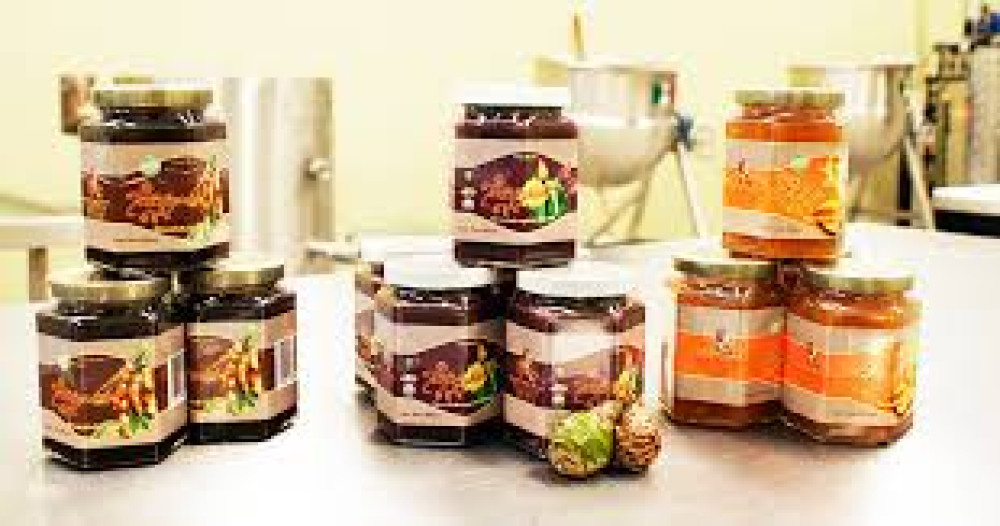
Value Addition
A cross-cutting perspective from the area of VALUE ADDITION policies by components, countries, sources of funding, beneficiaries, instruments, economic sectors, and best practices.
Resources
(82 records
)


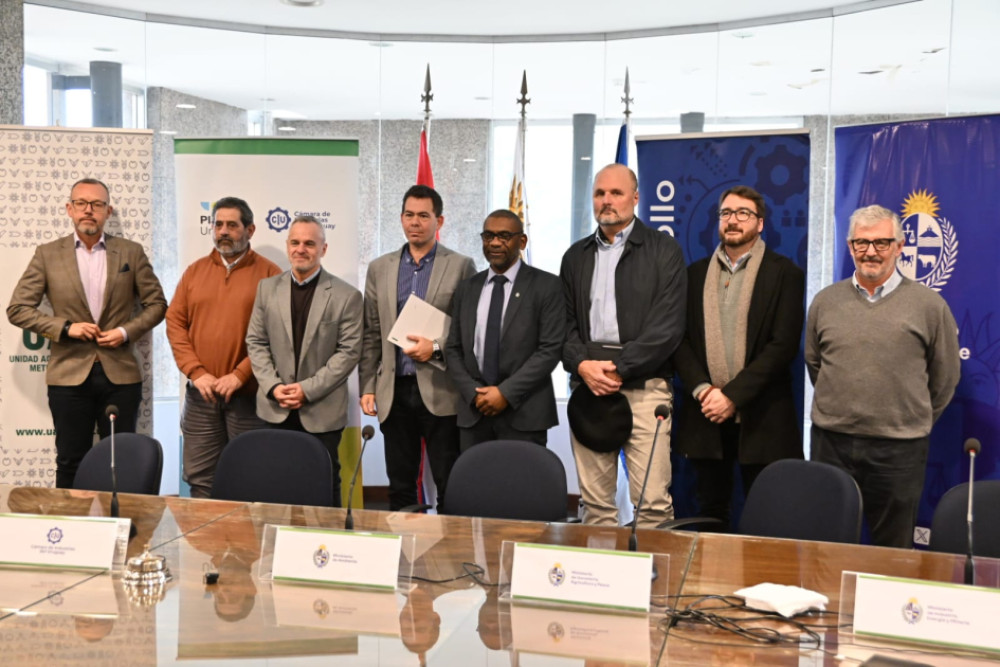
Events
(15 records
)
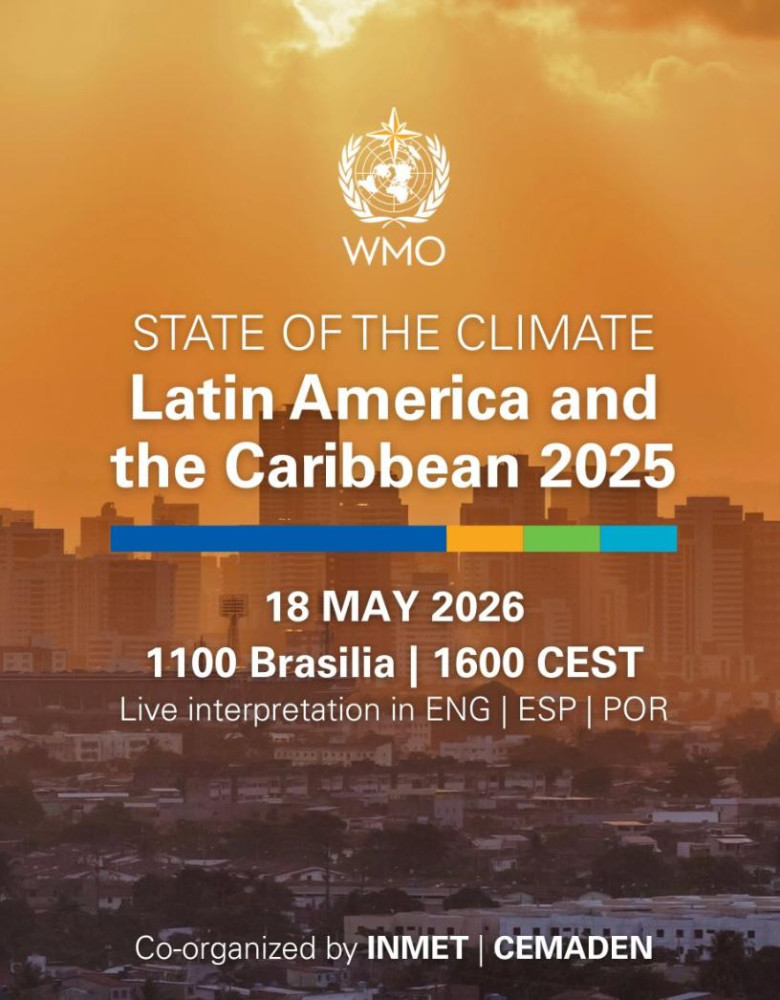


Evidences
(129 records
)
Farmers capture 18.5% of the final price
18.5% of the final price of food purchased for at-home consumption in the United States was captured by producers in 2024.
SMEs Dominate the Regional Agrifood Sector
66% of surveyed agrifood companies in Latin America and the Caribbean identify themselves as small and medium-sized enterprises (SMEs).
Companies Demand Trade-Related Training
67% of surveyed agrifood companies in Latin America and the Caribbean are interested in training on market access and international trade.
More recent in politics
Investments and Public Expenditure
(196 records
- USD 6,129,197,843.00
)
Expanded Agricultural Support and New Investments in Guyana's Region One
Government of Guyana initiative to increase agricultural production and commercial development in Region One through stronger drainage and irrigation, delivery of machinery and agricultural inputs, expanded extension services, technical training, agro-processing and improved access to markets. Actions include a pontoon, excavators and tractors, planting materials for crops such as coffee, ginger, turmeric and black pepper, support for livestock and apiculture, and operation of a processing facility at Hosororo.
Policy frameworks
(137 records
)
Food 2040: Research and innovation for food systems
Food 2040 is the European Union research and innovation framework for food systems and one of the two closely interlinked components of the EU strategic approach to research and innovation towards 2040. It follows a systemic, cross-sectoral and multi-actor approach covering food processing and manufacturing, packaging, distribution and retail, food services, consumption, food waste and recycling, as well as fisheries and aquaculture. Through research and innovation, it aims to contribute to more competitive, sustainable, healthy, fair and resilient food systems while strengthening connections between knowledge generation, experimentation, investment, regulatory learning, market uptake and innovation deployment. Its shared priorities include competitiveness and innovation scale-up; food security, resilience and preparedness; natural resources and circularity; food and feed safety, nutrition and health; fairness; and global cooperation.
Supreme Decree No. 011-2024-MIDAGRI approving the Regulations of Legislative Decree No. 1077, which created the Competitiveness Compensation Program
Approves and regulates the implementation of Legislative Decree No. 1077, which created the Competitiveness Compensation Program (AGROIDEAS), with nationwide scope. The regulation seeks to increase the competitiveness of organized small and medium agricultural producers and their associations through incentives for associativity, business management, agricultural technology adoption, organizational strengthening, and the implementation of bio-businesses and eco-businesses, under social, environmental, and economic sustainability criteria.
SENASA Resolution No. 200/2026: Regulatory Framework for Dairy Farms Supplying Milk for Dairy Products Exported to the European Union and the United Kingdom
SENASA Resolution No. 200/2026 approves Argentina's technical regulation governing the authorization of primary production establishments, or dairy farms, as suppliers of milk to receiving, treatment or processing plants producing dairy products and by-products for export to the European Union and the United Kingdom of Great Britain and Northern Ireland. The framework establishes sanitary, hygiene and structural requirements, applications through the SIGTramites platform, official SENASA inspections, mandatory participation of a veterinarian as sanitary co-responsible professional, issuance of an authorization certificate valid for two years, renewal and reinspection procedures, record-keeping requirements, preventive suspension and withdrawal of authorization, progressive digitalization of administrative procedures and sanctions for non-compliance.
Good practices
(13 records
)
Chocolate Island — Cocoa, Carbon and Community
The project drives Trinidad and Tobago's cacao and chocolate industry toward a post-pandemic, ESG-aligned productive model through an innovative approach that integrates the cacao value chain with carbon capture mechanisms and community development, packaged together in an impact investment offer called "Cacao, Carbon and Community." The initiative seeks to attract impact investors by delivering simultaneous returns across three dimensions: financial, through the commercialization of fine cacao and single-origin chocolate; environmental, by valorizing ecosystem services and carbon credits generated by cacao agroforestry systems; and social, by strengthening local farming communities and improving their livelihoods. In doing so, the project positions Trinidad and Tobago as a destination for sustainable investment in the Caribbean agrifood sector, leveraging the country's historic reputation in fine flavor cacao production to build a differentiated and regionally replicable value proposition.
Biovalor / Bioterra demonstration projects
An initiative launched in Uruguay to promote the valorization of agro-industrial waste through the development of demonstration projects. Through Biovalor and its successor (Bioterra), the aim is to transform waste into value-added products, such as biofertilizers, energy, or production inputs, fostering a circular economy and sustainability.
Agricultural Health and Innovation Project (DR-L1137)
Inter-American Development Bank (IDB) loan operation designed to improve the competitiveness of the agricultural sector in the Dominican Republic. The project aims to increase productivity, facilitate international market access, and raise food quality by improving agricultural health and food safety services, boosting innovation and the transfer of plant and animal health technologies (including the use of bio-inputs), and strengthening the national agricultural statistics system.
PAESA in Focus
(4 records
)
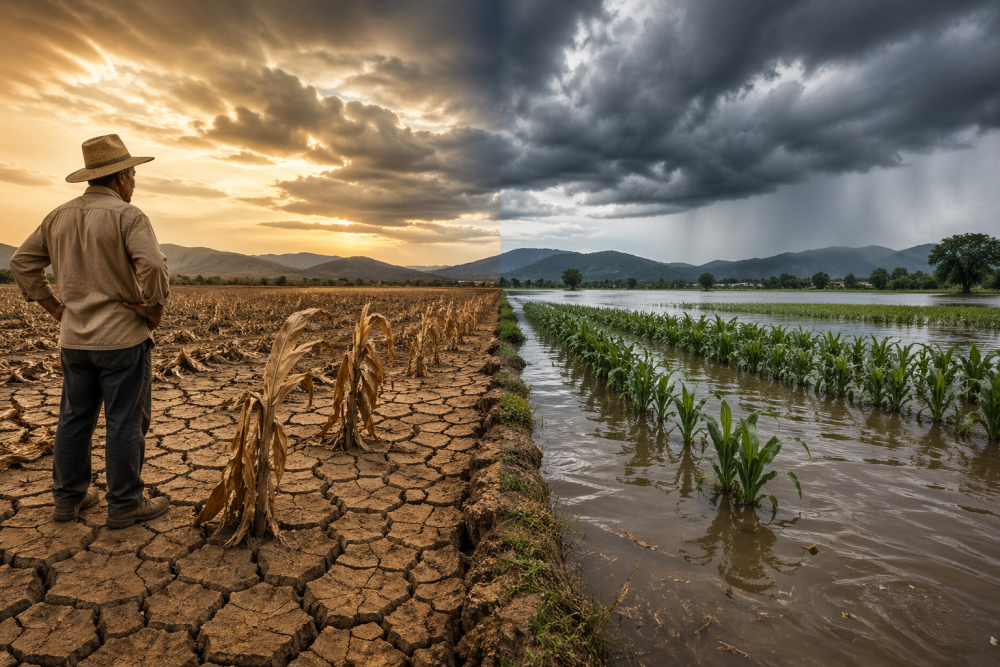
El Niño and the Resilience of Agrifood Systems

Family farming linked to competitive markets. Public food procurement, valuation of origin-related attributes, productive alliances.
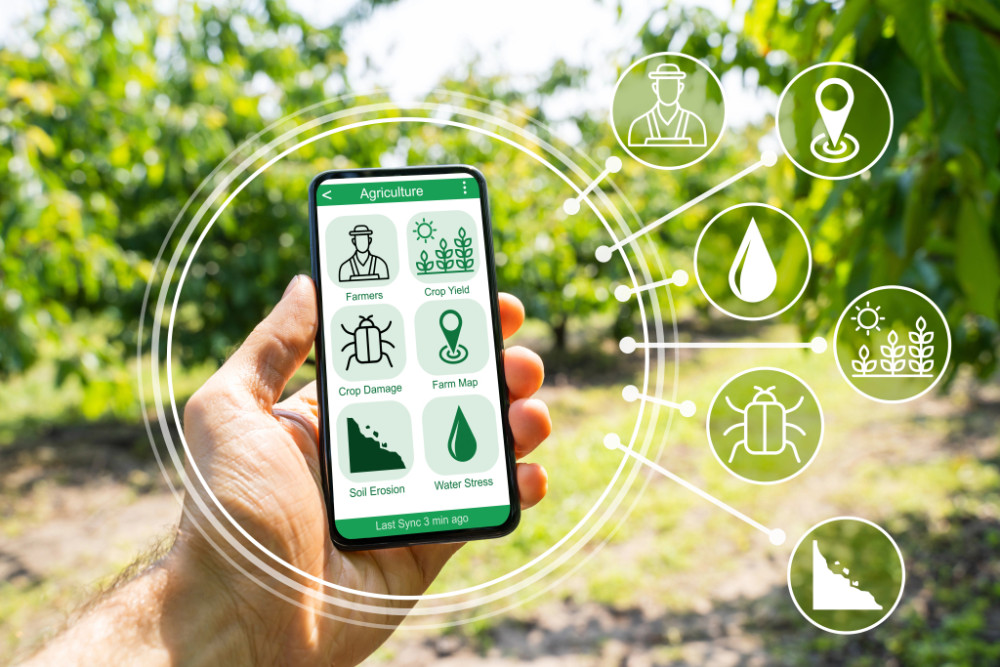
Responses of technical assistance and rural extension to the challenges of competitive sustainability in family farming and rural MSMEs.
Partners