+506 2216 0222
paesa@iica.int


DID YOU KNOW?
-
Climate equivalent annual investment required
3.7% to 4.9% of regional GDP is the estimated average annual equivalent of climate investment through 2030 in LAC (ECLAC, 2025). -
Climate investment required
US$2.1 to US$2.8 trillion is the estimated range of cumulative investment through 2030 in LAC to meet climate commitments, per the report (ECLAC, 2025). -
Ceiling on productivity gains from “closing gaps”
12% would be the region’s productivity increase even if it reached the reported reference levels (ECLAC, 2025).
Bioeconomy
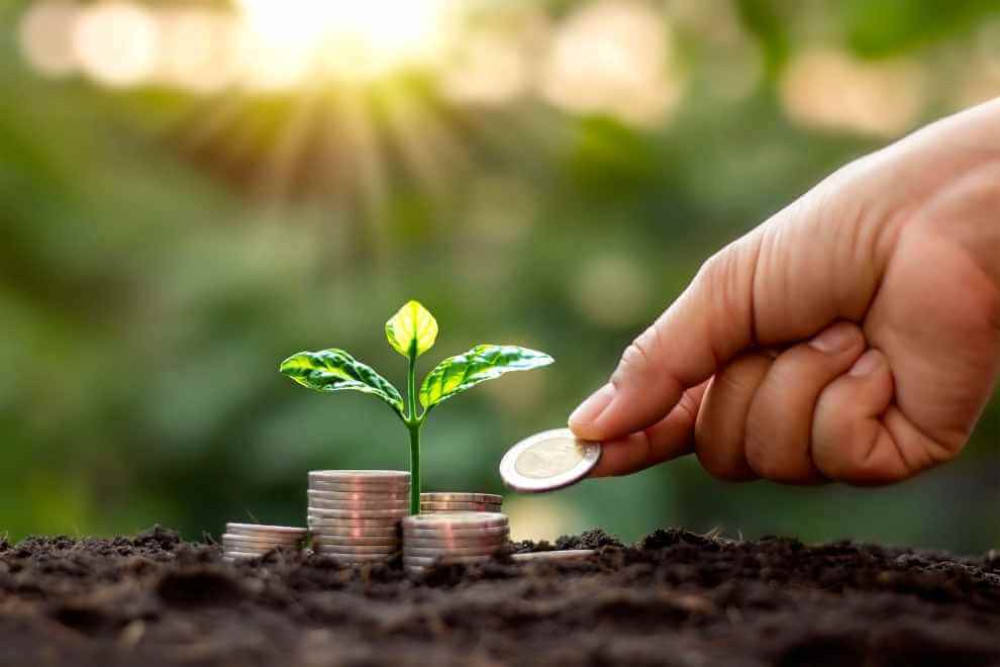
The bioeconomy as a policy area drives the transformation of agrifood systems through the efficient and integrated use of biomass, promoting sustainable productivity, economic diversification, and the industrialization of biological resources. Bioeconomy policies foster the creation of new bio-based industries, generate employment in rural territories, and utilize by-products and waste to reduce dependence on fossil fuels. Additionally, they promote nature-based solutions, circular economies, and approaches that balance economic growth with environmental sustainability.
Resources
(148 records
)
Events
(26 records
)
Evidences
(57 records
)
Climate equivalent annual investment required
3.7% to 4.9% of regional GDP is the estimated average annual equivalent of climate investment through 2030 in LAC (ECLAC, 2025).
Climate investment required
US$2.1 to US$2.8 trillion is the estimated range of cumulative investment through 2030 in LAC to meet climate commitments, per the report (ECLAC, 2025).
Ceiling on productivity gains from “closing gaps”
12% would be the region’s productivity increase even if it reached the reported reference levels (ECLAC, 2025).
More recent in politics
Investments and Public Expenditure
(144 records
- USD 26,844,794,235.00
)
Technical Assistance Fund: Program to Boost the Financing of Private Investment in the Peruvian Amazon - Opportunity to Leverage Bio-businesses
Technical cooperation providing operational support to operation PE-L1258 by developing and strengthening COFIDE's bio-business portfolio in the Peruvian Amazon, in collaboration with business and technical advisory organizations, accelerators, incubators and innovation centers. It also strengthens COFIDE's capacity to monitor the financial and socio-environmental performance of bio-businesses and participate in impact-investment markets to mobilize external resources.
Production of Biofertilizers and Insect-Based Protein Pellets for Sustainable Agrifood Systems in Arid Areas of Northern Chile
Innovation project aimed at developing and validating a pilot process for the bioconversion of organic waste through controlled insect farming to produce biofertilizers and protein pellets intended to improve agricultural productivity and animal nutrition. The initiative is implemented in the Tarapacá Region and seeks to promote sustainable agrifood systems in arid areas through waste valorization, the use of insect biomass, improved soil fertility, and the production of locally sourced agricultural and livestock inputs.
Rural Alliances Project II
nvestment initiative aimed at improving market access for small-scale rural producers by promoting productive alliances between producer organizations and buyers, strengthening self-managed grassroots organizations, increasing access to productive assets, technology and financial services, and fostering environmentally sustainable, climate-resilient production practices, with an emphasis on efficient irrigation water use.
Policy frameworks
(266 records
)
Strategy on Bioinputs Production, Use and Innovation in Costa Rica 2026-2035
National strategy setting the roadmap to 2035 to consolidate bioinputs as an accessible, competitive and quality-assured alternative for sustainable agricultural production. It is organized into four axes: (1) regulatory framework, to simplify, harmonize and update rules on the registration, classification, use, quality control and oversight of bioinputs, including efficacy protocols, user manuals and post-registration monitoring; (2) science, technology and innovation, through a national research agenda, quality and efficacy standards, a national microorganism repository and pilot projects; (3) capacity building and knowledge transfer, including specialized training, agricultural extension, inclusion of bioinput content in higher education and knowledge management; and (4) financing and promotion, with credit and incentive schemes, non-financial mechanisms such as quality seals and sustainable public procurement, and mobilization of cooperation funds. It establishes a multilevel governance structure, an action plan with targets and indicators, and evaluations at 3, 5 and 10 years.
Food 2040: Research and innovation for food systems
Food 2040 is the European Union research and innovation framework for food systems and one of the two closely interlinked components of the EU strategic approach to research and innovation towards 2040. It follows a systemic, cross-sectoral and multi-actor approach covering food processing and manufacturing, packaging, distribution and retail, food services, consumption, food waste and recycling, as well as fisheries and aquaculture. Through research and innovation, it aims to contribute to more competitive, sustainable, healthy, fair and resilient food systems while strengthening connections between knowledge generation, experimentation, investment, regulatory learning, market uptake and innovation deployment. Its shared priorities include competitiveness and innovation scale-up; food security, resilience and preparedness; natural resources and circularity; food and feed safety, nutrition and health; fairness; and global cooperation.
AgRI 2040: Research and innovation for agriculture, forestry and rural areas
Forward-looking European Union research and innovation framework for agriculture, forestry and rural areas. AgRI 2040 aims to identify, co-create and update research and innovation needs, accelerate the translation of scientific knowledge into deployable technologies and solutions, and increase uptake by farmers, foresters and rural communities. Its eight preliminary areas of action cover soils, agri-ecosystems, water and nutrients; cropping systems, plant health and protein crops; livestock systems, animal health and welfare; the bioeconomy; multifunctional forests; rural areas, services and generational renewal; stronger agri-food value chains; and digitalisation, artificial intelligence and robotics.
Good practices
(15 records
)
Rural Alliances Project II
nvestment initiative aimed at improving market access for small-scale rural producers by promoting productive alliances between producer organizations and buyers, strengthening self-managed grassroots organizations, increasing access to productive assets, technology and financial services, and fostering environmentally sustainable, climate-resilient production practices, with an emphasis on efficient irrigation water use.
Development of sustainable sea moss farming methods in Saint Lucia
Saint Lucia Sea Moss Value Chain Strengthening Project through the implementation of sustainable cultivation frameworks. It focuses on technology transfer, the recovery of local ecological knowledge, and the creation of governance mechanisms to balance the economic livelihoods of coastal communities with the conservation of marine ecosystems
Green Health: improving indigenous participation through the CBD’s ABS
This project aimed to strengthen the participation of indigenous communities in Guatemala in biodiversity governance and sustainable use of medicinal plants. Through collaboration between academic institutions and Maya councils of elders, the project documented traditional medicinal knowledge, supported the conservation of threatened plant species, and strengthened local capacities to implement Access and Benefit Sharing (ABS) mechanisms under the Convention on Biological Diversity. The initiative contributed to linking biodiversity conservation, community health, scientific research, and the protection of traditional knowledge.
PAESA in Focus
(3 records
)