+506 2216 0222
paesa@iica.int


DID YOU KNOW?
-
Community alert prevented deaths
19 people, mostly women farmers, operate the Community Hydroclimatic Monitoring Network in southern Ahuachapán, El Salvador; during Tropical Storm Julia, an alert issued after more than six hours of rain enabled vulnerable families to evacuate two h... -
NAMA covers 200,000 hectares
200,000 hectares are covered by more than 4,100 farms applying Livestock NAMA technologies for more resilient and low-emission production. -
NAMA reaches over 4,100 farms
More than 4,100 farms implement Livestock NAMA measures in Costa Rica through technologies that increase productivity and producers' income.
Water for Agriculture
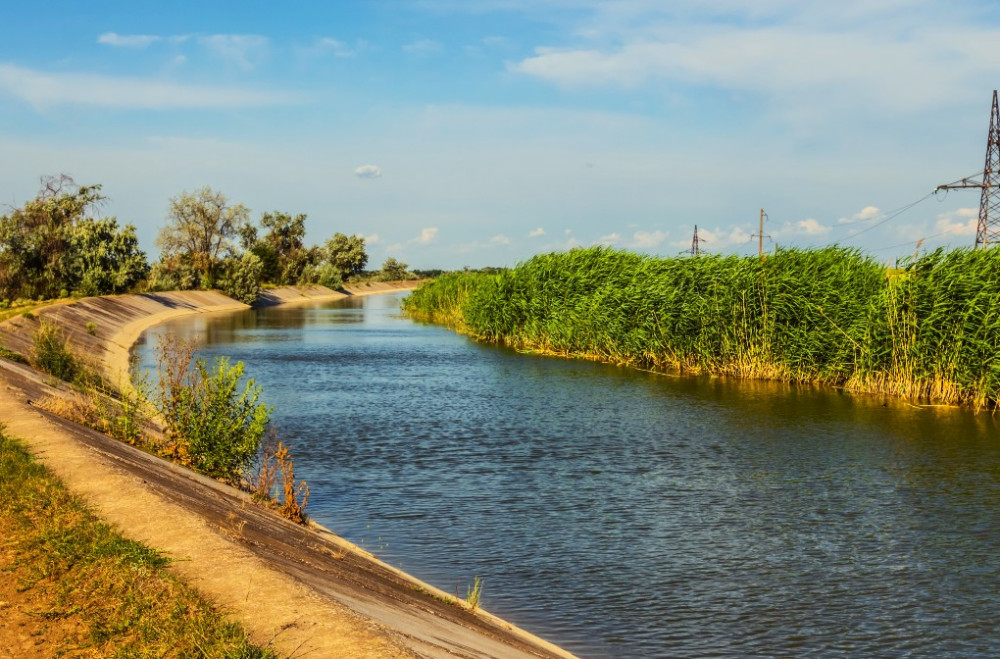
Water policies for agriculture are state interventions in the form of norms, regulations, strategies, plans, programs or projects designed to guarantee access to and sustainable use of water in agriculture. It addresses topics such as the integrated management of water resources, water conservation, efficiency in the use of water, equity in the distribution of water, and adaptation to climate change. The main objective of these policies is to guarantee the availability of sufficient and high-quality water for agriculture, promote sustainable agricultural productivity and improve food security and well-being of rural communities.
Resources
(184 records
)
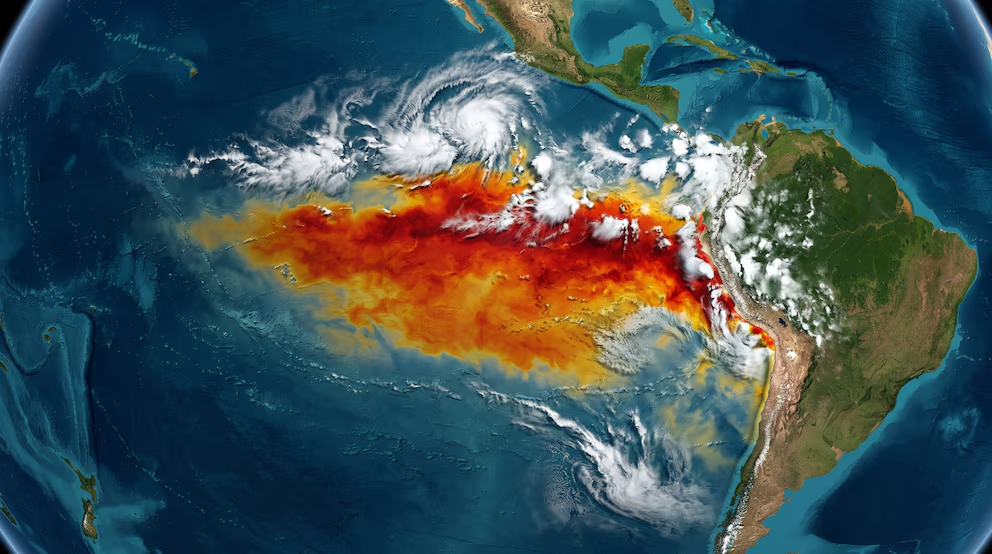
Events
(14 records
)

Evidences
(110 records
)
Community alert prevented deaths
19 people, mostly women farmers, operate the Community Hydroclimatic Monitoring Network in southern Ahuachapán, El Salvador; during Tropical Storm Julia, an alert issued after more than six hours of rain enabled vulnerable families to evacuate two hours before the rivers overflowed, with no loss of life.
NAMA covers 200,000 hectares
200,000 hectares are covered by more than 4,100 farms applying Livestock NAMA technologies for more resilient and low-emission production.
NAMA reaches over 4,100 farms
More than 4,100 farms implement Livestock NAMA measures in Costa Rica through technologies that increase productivity and producers' income.
More recent in politics
Investments and Public Expenditure
(180 records
- USD 13,451,032,195.00
)
Automation of irrigation gates managed by the Taco General Canal Users Association
Project to automate irrigation gates managed by the Taco General Canal Users Association of the Maule River, a member of the Central Irrigation Cooperative. The project is designed to modernize water management and distribution across approximately 15,000 hectares between the municipalities of San Clemente and Talca in the Maule Region. Partially financed through a grant from the National Irrigation Commission, the intervention will enable automated gate operation, improve flow control and optimize water use. As of 17 September 2026, construction was approximately 95 percent complete and operation was expected to begin before the 2026-2027 irrigation season.
Expanded Agricultural Support and New Investments in Guyana's Region One
Government of Guyana initiative to increase agricultural production and commercial development in Region One through stronger drainage and irrigation, delivery of machinery and agricultural inputs, expanded extension services, technical training, agro-processing and improved access to markets. Actions include a pontoon, excavators and tractors, planting materials for crops such as coffee, ginger, turmeric and black pepper, support for livestock and apiculture, and operation of a processing facility at Hosororo.
Agricultural Aqueduct System in El Calabazal, Ocú, Herrera
Agricultural aqueduct system installed in the community of El Calabazal, Ocú district, Herrera province, Panama. This rural water infrastructure optimizes local production, directly benefiting cattle, hog, and poultry farmers in the locality.
Policy frameworks
(567 records
)
AgRI 2040: Research and innovation for agriculture, forestry and rural areas
Forward-looking European Union research and innovation framework for agriculture, forestry and rural areas. AgRI 2040 aims to identify, co-create and update research and innovation needs, accelerate the translation of scientific knowledge into deployable technologies and solutions, and increase uptake by farmers, foresters and rural communities. Its eight preliminary areas of action cover soils, agri-ecosystems, water and nutrients; cropping systems, plant health and protein crops; livestock systems, animal health and welfare; the bioeconomy; multifunctional forests; rural areas, services and generational renewal; stronger agri-food value chains; and digitalisation, artificial intelligence and robotics.
National Action Plan for the 2026-2027 El Niño Event
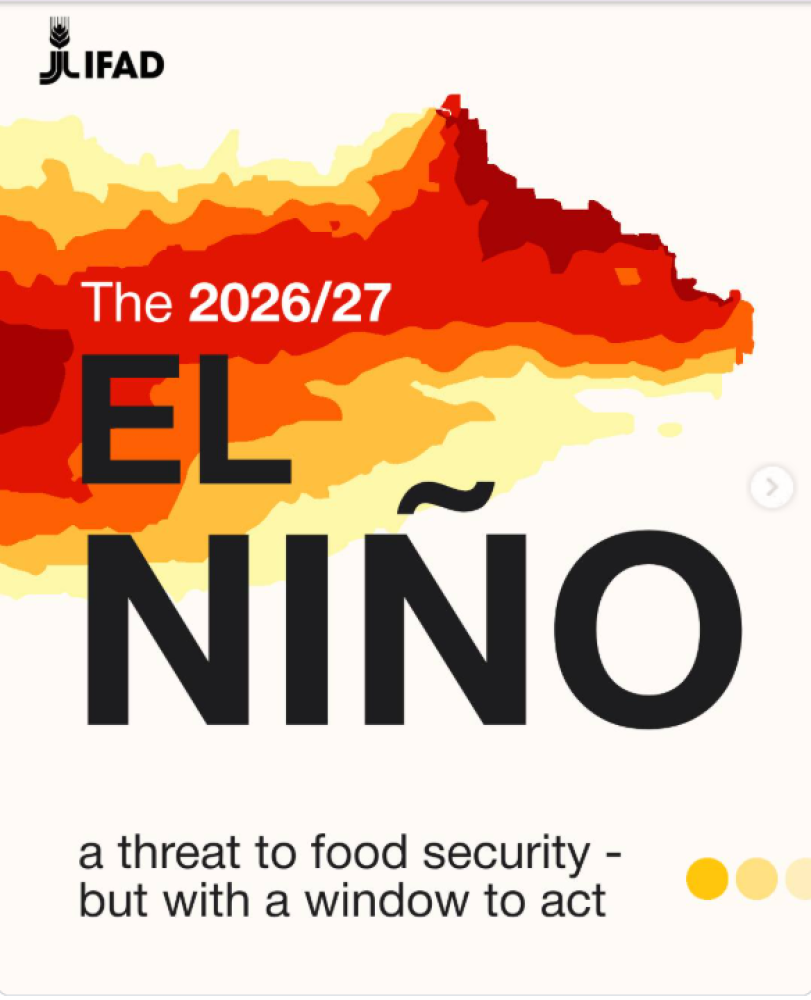
Ecuadorian binding national plan that coordinates technical, operational and financial capacities for prevention, mitigation, preparedness, response and recovery from the impacts of the 2026-2027 El Niño event. It establishes impact scenarios, monitoring and warning arrangements, multisectoral and territorial actions, institutional responsibilities, funding and follow-up mechanisms to protect the population, livelihoods, strategic infrastructure, essential services, productive sectors and ecosystems.
Transition Program toward a Resilient Water and Agri-food Development Model in the Yaque del Sur River Basin
Program aimed at designing a resilient water and agri-food development model for the Yaque del Sur River Basin, with technical support from the World Bank and implementation by the National Institute of Hydraulic Resources. It includes hydrological diagnostics and water resources planning, water availability projections through 2050, and the assessment of scenarios involving reservoirs, irrigation canals, and efficiency in drinking and agricultural water use. The program seeks to define actions for basin preservation, improve irrigation service management, strengthen hydraulic infrastructure, modernize irrigation systems, and promote efficient water-use technologies in order to increase the climate, productive, and social resilience of the territory.
Good practices
(14 records
)
Strengthening Strategic Capacities for Water Security in Prioritized Watersheds of the SICA Region
The project aims to contribute to water security in prioritized watershed territories of the SICA region by producing technical diagnostic studies, cost-of-inaction/benefit-of-action analyses (BACI), and strategic water investment plans with bankable project profiles per watershed. It operates in 8 watersheds across 8 countries —Belize, Guatemala, Honduras, El Salvador, Nicaragua, Costa Rica, Panama, and the Dominican Republic— incorporating gender, intercultural, and climate risk perspectives
GreenWatersheds: resilient forests and financing options for sustainable water supplies in the tropics
Regional project implemented in Cuba, Guatemala, Mexico, and the Dominican Republic that develops ecosystem-based adaptation (EbA) measures and innovative governance and financing mechanisms in priority watersheds, aimed at reducing community vulnerability to extreme climate events. The project combines forest restoration and the establishment of agroforestry systems with economic assessments of ecosystem services, the strengthening of participatory governance bodies, and the engagement of private sector actors in sustainable financing schemes.
Design of the Resilient Development Project for the Yuna River Basin
A non-reimbursable IDB technical cooperation supporting the Dominican Republic's National Institute of Hydraulic Resources (INDRHI) to design a program for irrigation improvement and climate change adaptation in the Yuna River Basin. It comprises pre-feasibility studies for irrigation infrastructure, ex-ante economic analysis, environmental and social assessment, gender gap analysis, and specialized engineering technical assistance.
PAESA in Focus
(1 records
)