+506 2216 0222
paesa@iica.int


DID YOU KNOW?
-
Community alert prevented deaths
19 people, mostly women farmers, operate the Community Hydroclimatic Monitoring Network in southern Ahuachapán, El Salvador; during Tropical Storm Julia, an alert issued after more than six hours of rain enabled vulnerable families to evacuate two h... -
NAMA covers 200,000 hectares
200,000 hectares are covered by more than 4,100 farms applying Livestock NAMA technologies for more resilient and low-emission production. -
NAMA reaches over 4,100 farms
More than 4,100 farms implement Livestock NAMA measures in Costa Rica through technologies that increase productivity and producers' income.
Regenerative and Resilient Agriculture
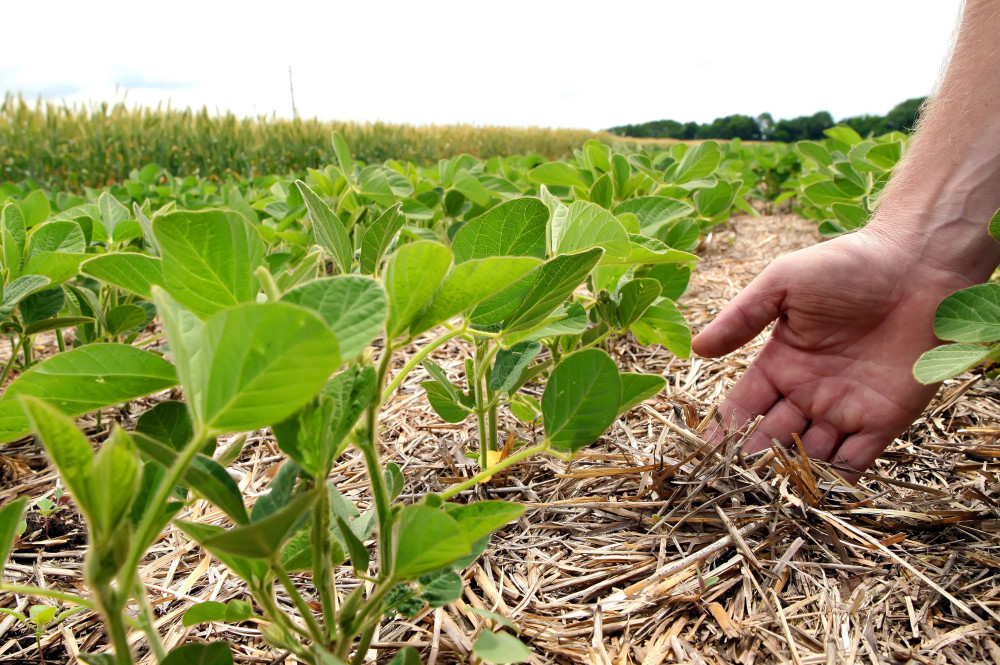
The area of Regenerative and Resilient Agriculture encompasses policies, programs, and investments aimed at restoring ecosystem health, enhancing the adaptive capacity of agrifood systems, and strengthening their resilience to climate challenges through sustainable production practices, technological and institutional innovations.
Resources
(490 records
)
Events
(125 records
)
Evidences
(507 records
)
Community alert prevented deaths
19 people, mostly women farmers, operate the Community Hydroclimatic Monitoring Network in southern Ahuachapán, El Salvador; during Tropical Storm Julia, an alert issued after more than six hours of rain enabled vulnerable families to evacuate two hours before the rivers overflowed, with no loss of life.
NAMA covers 200,000 hectares
200,000 hectares are covered by more than 4,100 farms applying Livestock NAMA technologies for more resilient and low-emission production.
NAMA reaches over 4,100 farms
More than 4,100 farms implement Livestock NAMA measures in Costa Rica through technologies that increase productivity and producers' income.
More recent in politics
Investments and Public Expenditure
(501 records
- USD 119,244,962,570.00
)
Climate Change Resilience in the Caribbean Fisheries Sector (CC4FISH-II)
Regional project designed to strengthen climate change and disaster adaptation and resilience in the fisheries sectors of Dominica, Grenada, Saint Kitts and Nevis, Saint Vincent and the Grenadines, and Trinidad and Tobago. The initiative will benefit more than 21,800 people, including small-scale fisherfolk, boat owners, processors, vendors, traders and coastal communities, with particular attention to women and youth. Interventions include climate-resilient fishing vessels and infrastructure, restoration and monitoring of coral reefs, mangroves and seagrass beds, integration of climate adaptation and disaster risk management into fisheries planning, access to insurance and financial services, training, technology and regional dissemination of good practices.
Caribbean implementation of the CASI Agricultural Emergency Plan
Implementation in Martinique, Guadeloupe, Saint Barthelemy and Saint Martin of the Climate, Adaptation, Drought and Wildfires Agricultural Emergency Plan, known as CASI, supporting farms affected by the 2026 drought. The regional agricultural recovery fund provides EUR 10 million in cash-flow assistance to cover the costs of restarting crop production and maintaining livestock. Assistance ranges from EUR 300 to EUR 10,000 per farm, with standard amounts determined by animal, beehive or hectare according to the production activity. The plan also includes property tax relief, support for social security contributions, an extension of agricultural fuel assistance and preparation of a request to activate the agricultural disaster mechanism for crop losses.
Measures for the Efficient Use of Water During El Niño in the Dominican Republic
The National Institute of Hydraulic Resources (INDRHI) is implementing measures to ensure the efficient use of available water in the Dominican Republic in response to conditions associated with El Niño. The Committee for Dam and Reservoir Operations meets weekly to assess reserves and adjust the management of stored water according to regional conditions, prioritising human consumption and agricultural production. In areas without dam systems, INDRHI evaluates alternative water sources and the feasibility of constructing wells, subject to the relevant environmental authorisation. The institution also cleans and rehabilitates irrigation canals to remove sediment, improve water flow and reduce conveyance losses, with specialised equipment deployed in Pedernales, Barahona, San Juan, Dajabón, Montecristi, Cotuí, Bajo Yuna and Samaná. The initiative also includes the planned management of reservoirs such as Monción and the use of the Montegrande dam to store water and mitigate flooding in the southern region.
Policy frameworks
(939 records
)
AgRI 2040: Research and innovation for agriculture, forestry and rural areas
Forward-looking European Union research and innovation framework for agriculture, forestry and rural areas. AgRI 2040 aims to identify, co-create and update research and innovation needs, accelerate the translation of scientific knowledge into deployable technologies and solutions, and increase uptake by farmers, foresters and rural communities. Its eight preliminary areas of action cover soils, agri-ecosystems, water and nutrients; cropping systems, plant health and protein crops; livestock systems, animal health and welfare; the bioeconomy; multifunctional forests; rural areas, services and generational renewal; stronger agri-food value chains; and digitalisation, artificial intelligence and robotics.
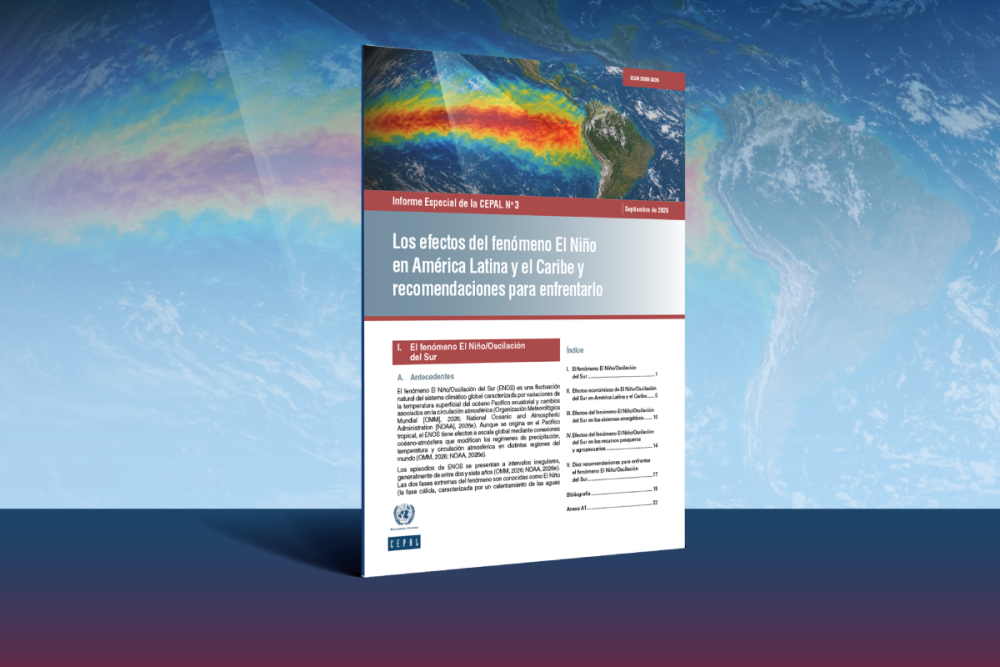
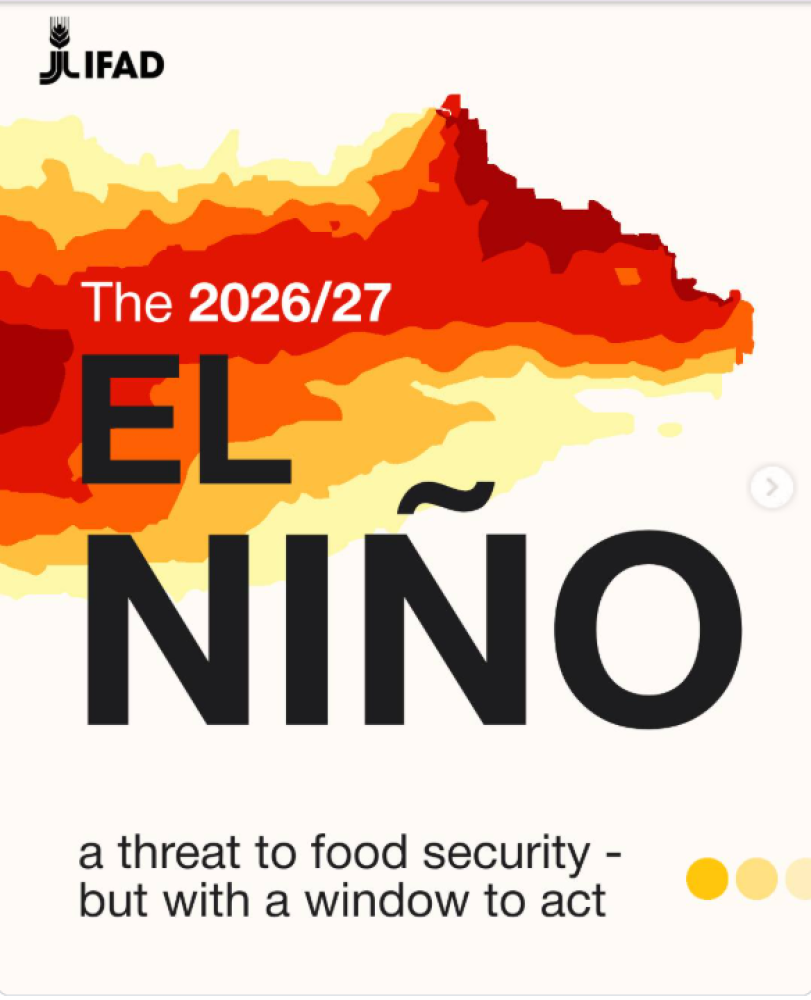
National Action Plan for the 2026-2027 El Niño Event
Ecuadorian binding national plan that coordinates technical, operational and financial capacities for prevention, mitigation, preparedness, response and recovery from the impacts of the 2026-2027 El Niño event. It establishes impact scenarios, monitoring and warning arrangements, multisectoral and territorial actions, institutional responsibilities, funding and follow-up mechanisms to protect the population, livelihoods, strategic infrastructure, essential services, productive sectors and ecosystems.
Transition Program toward a Resilient Water and Agri-food Development Model in the Yaque del Sur River Basin
Program aimed at designing a resilient water and agri-food development model for the Yaque del Sur River Basin, with technical support from the World Bank and implementation by the National Institute of Hydraulic Resources. It includes hydrological diagnostics and water resources planning, water availability projections through 2050, and the assessment of scenarios involving reservoirs, irrigation canals, and efficiency in drinking and agricultural water use. The program seeks to define actions for basin preservation, improve irrigation service management, strengthen hydraulic infrastructure, modernize irrigation systems, and promote efficient water-use technologies in order to increase the climate, productive, and social resilience of the territory.
Good practices
(28 records
)
Public Services Improvement Project for Sustainable Territorial Development in the Apurímac, Ene and Mantaro Rivers Area of Influence
Project aimed at reducing rural poverty through the social and productive inclusion of families in the VRAEM area. It seeks to increase beneficiaries' human, social, natural, physical, and financial assets. It combines strengthening of territorial governance, development of local economic initiatives, and improved connectivity and community infrastructure.
National Agricultural Innovation System Support Project (PNIA)
The project supports the establishment and consolidation of the National Agricultural Innovation System by strengthening the institutional capacity of the lead public agency, building decentralized innovation networks with public and private stakeholders, and administering competitive grant funds for subprojects in strategic research, adaptive research, agricultural extension, seed enterprise development, and capacity building. It includes a national and international scholarship program for researchers and extension professionals, as well as the design of a monitoring and evaluation system for the agricultural innovation system. Its objective is to create the conditions for member organizations of the national innovation system to improve their effectiveness in developing and delivering improved agricultural technologies to rural producers.
Buen Vivir in Rural Territories Programme
The programme aims to improve food security and livelihoods of food-insecure rural households in poverty, largely dependent on small-scale agriculture and vulnerable to climate change. It promotes an endogenous territorial development model centred on family-scale agroecological production, organizational and community capacity strengthening, and investment in territorial economic initiatives. It supports the implementation of national food sovereignty policy within a complementarity framework across government levels, with attention to sustainable water and natural resource management.
PAESA in Focus
(2 records
)