+506 2216 0222
paesa@iica.int


DID YOU KNOW?
-
GuyMIS Maps 21,354 Hectares of Mangroves
GuyMIS reports 21,354 hectares of mangrove extent in Guyana in 2020, including 12,142 hectares of losses and 4,845 hectares of gains between 2015 and 2020. The system also records 32 restoration projects implemented between 2010 and 2020, including 1... -
10 billion people will require more food
10 billion people will need to be fed through technologies that enable more food to be produced at a lower cost. -
US$9 billion for agricultural innovation
US$9 billion was allocated to new research aimed at increasing agricultural yields, compared with US$2.5 billion in 2016.
Science, Technology, and Innovation
Policies, Resources, and Strategies for the Governance and Management of Science, Technology, and Innovation in Agrifood Systems.
Resources
(318 records
)


Events
(54 records
)

Evidences
(118 records
)
GuyMIS Maps 21,354 Hectares of Mangroves
GuyMIS reports 21,354 hectares of mangrove extent in Guyana in 2020, including 12,142 hectares of losses and 4,845 hectares of gains between 2015 and 2020. The system also records 32 restoration projects implemented between 2010 and 2020, including 19 seedling plantations and 13 green-grey infrastructure projects.
10 billion people will require more food
10 billion people will need to be fed through technologies that enable more food to be produced at a lower cost.
US$9 billion for agricultural innovation
US$9 billion was allocated to new research aimed at increasing agricultural yields, compared with US$2.5 billion in 2016.
More recent in politics
Investments and Public Expenditure
(378 records
- USD 110,496,238,848.00
)
Automation of irrigation gates managed by the Taco General Canal Users Association
Project to automate irrigation gates managed by the Taco General Canal Users Association of the Maule River, a member of the Central Irrigation Cooperative. The project is designed to modernize water management and distribution across approximately 15,000 hectares between the municipalities of San Clemente and Talca in the Maule Region. Partially financed through a grant from the National Irrigation Commission, the intervention will enable automated gate operation, improve flow control and optimize water use. As of 17 September 2026, construction was approximately 95 percent complete and operation was expected to begin before the 2026-2027 irrigation season.
Climate Change Resilience in the Caribbean Fisheries Sector (CC4FISH-II)
Regional project designed to strengthen climate change and disaster adaptation and resilience in the fisheries sectors of Dominica, Grenada, Saint Kitts and Nevis, Saint Vincent and the Grenadines, and Trinidad and Tobago. The initiative will benefit more than 21,800 people, including small-scale fisherfolk, boat owners, processors, vendors, traders and coastal communities, with particular attention to women and youth. Interventions include climate-resilient fishing vessels and infrastructure, restoration and monitoring of coral reefs, mangroves and seagrass beds, integration of climate adaptation and disaster risk management into fisheries planning, access to insurance and financial services, training, technology and regional dissemination of good practices.
Cochran Fellowship Program
A short-term agricultural training program for professionals from middle-income countries, emerging markets, and emerging democracies. Activities strengthen agricultural systems, trade, agribusiness, management, public policy, marketing, food safety, and sanitary and phytosanitary systems through training coordinated with United States universities, public agencies, businesses, and specialists.
Policy frameworks
(406 records
)
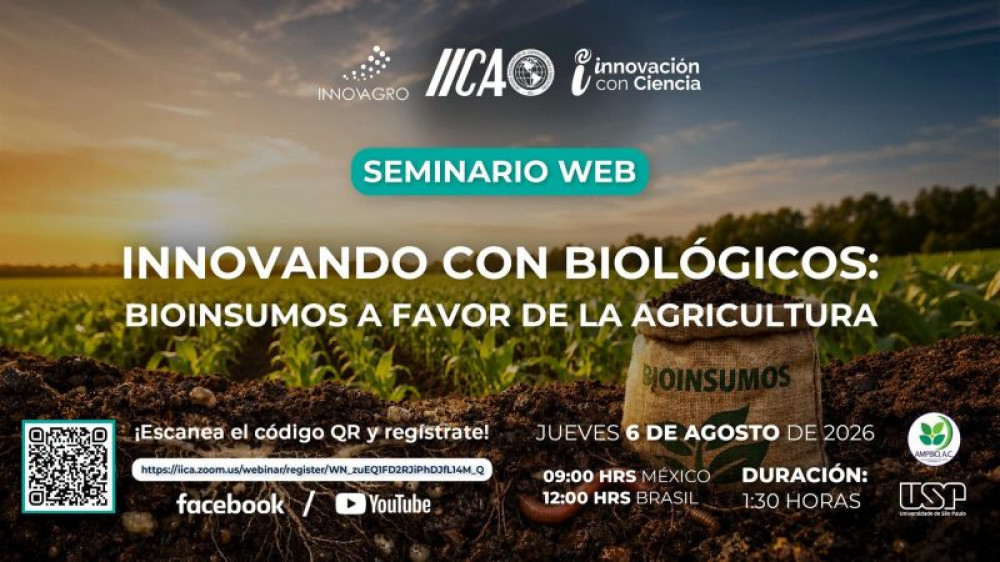
Strategy on Bioinputs Production, Use and Innovation in Costa Rica 2026-2035
National strategy setting the roadmap to 2035 to consolidate bioinputs as an accessible, competitive and quality-assured alternative for sustainable agricultural production. It is organized into four axes: (1) regulatory framework, to simplify, harmonize and update rules on the registration, classification, use, quality control and oversight of bioinputs, including efficacy protocols, user manuals and post-registration monitoring; (2) science, technology and innovation, through a national research agenda, quality and efficacy standards, a national microorganism repository and pilot projects; (3) capacity building and knowledge transfer, including specialized training, agricultural extension, inclusion of bioinput content in higher education and knowledge management; and (4) financing and promotion, with credit and incentive schemes, non-financial mechanisms such as quality seals and sustainable public procurement, and mobilization of cooperation funds. It establishes a multilevel governance structure, an action plan with targets and indicators, and evaluations at 3, 5 and 10 years.
Food 2040: Research and innovation for food systems
Food 2040 is the European Union research and innovation framework for food systems and one of the two closely interlinked components of the EU strategic approach to research and innovation towards 2040. It follows a systemic, cross-sectoral and multi-actor approach covering food processing and manufacturing, packaging, distribution and retail, food services, consumption, food waste and recycling, as well as fisheries and aquaculture. Through research and innovation, it aims to contribute to more competitive, sustainable, healthy, fair and resilient food systems while strengthening connections between knowledge generation, experimentation, investment, regulatory learning, market uptake and innovation deployment. Its shared priorities include competitiveness and innovation scale-up; food security, resilience and preparedness; natural resources and circularity; food and feed safety, nutrition and health; fairness; and global cooperation.
AgRI 2040: Research and innovation for agriculture, forestry and rural areas
Forward-looking European Union research and innovation framework for agriculture, forestry and rural areas. AgRI 2040 aims to identify, co-create and update research and innovation needs, accelerate the translation of scientific knowledge into deployable technologies and solutions, and increase uptake by farmers, foresters and rural communities. Its eight preliminary areas of action cover soils, agri-ecosystems, water and nutrients; cropping systems, plant health and protein crops; livestock systems, animal health and welfare; the bioeconomy; multifunctional forests; rural areas, services and generational renewal; stronger agri-food value chains; and digitalisation, artificial intelligence and robotics.
Good practices
(29 records
)
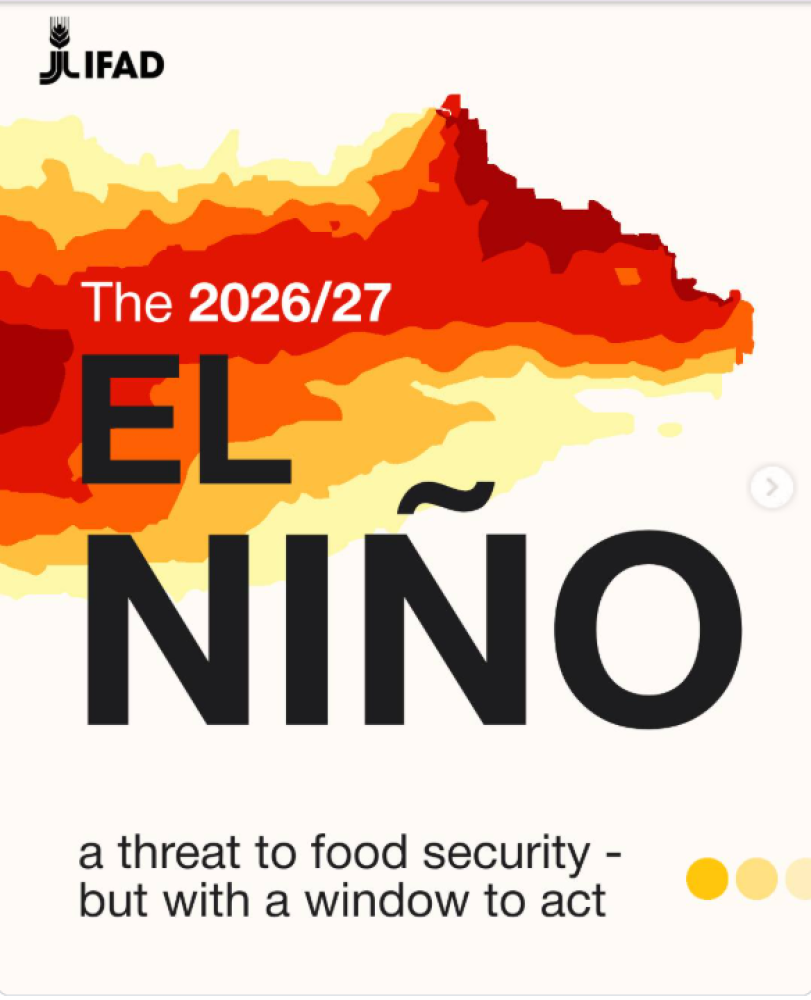
El Nino Emergency Assistance Project
The project was part of a well coordinated effort by donors active in Guyana, to assist the Government in mitigating the impact of the El Niño Southern Oscillation (ENSO) phenomenon which affected Guyana starting in 1997. The El Niño Emergency Assistance Project was prepared in response to identified emergency prevention and reconstruction needs. The objectives of the project were: (a) help to restore the country's agricultural capacity in drought-stricken areas through vulnerability reduction measures in the areas of hydrologic extremes; (b) help in providing safe and reliable potable water service to marginal urban and remote hinterland and riverine communities which have been affected by drought; and help restore flood protection in low-lying areas of the City of Georgetown.
National Agricultural Innovation System Support Project (PNIA)
The project supports the establishment and consolidation of the National Agricultural Innovation System by strengthening the institutional capacity of the lead public agency, building decentralized innovation networks with public and private stakeholders, and administering competitive grant funds for subprojects in strategic research, adaptive research, agricultural extension, seed enterprise development, and capacity building. It includes a national and international scholarship program for researchers and extension professionals, as well as the design of a monitoring and evaluation system for the agricultural innovation system. Its objective is to create the conditions for member organizations of the national innovation system to improve their effectiveness in developing and delivering improved agricultural technologies to rural producers.
Strategy for Technological Innovation to Improve the Productivity and Competitiveness of Supply Chains in Central America and the Dominican Republic
PRESICA developed a regional agricultural innovation model based on Local Innovation Consortia, which bring together producers, research institutes, universities, NGOs, and the private sector around value chains for corn, beans, cassava, and sweet peppers. The strategy was grounded in producers’ technological needs to drive research, technology validation, technology transfer, and extension services with a territorial focus. The project operated in eight Central American countries and the Dominican Republic, forming 22 local consortia. It contributed to strengthening national and regional agricultural innovation systems as a public good.
PAESA in Focus
(2 records
)